1930 to 2018
The legacy of a legend
A cabinet maker who became a pastor, and a pastor who spent forty years building churches, raising leaders, and refusing to give up on anybody.
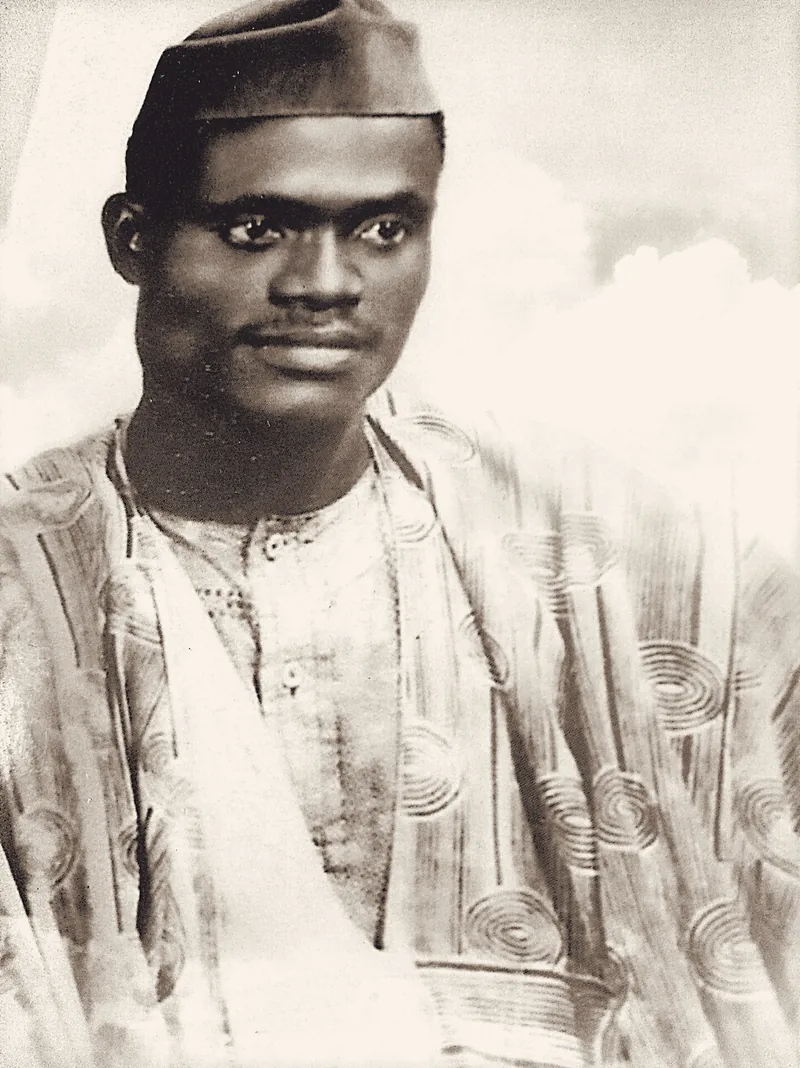
“No one is completely useless without a trace of usefulness in one area or the other.”
What follows is drawn from the tribute his family wrote after his passing, and from the records of the Foursquare Gospel Church in Nigeria. Where we have quoted, we have said so.
Contents
Early life
Elkanah Olusola Osibanjo was born on 8 September 1930 in Ala, about four kilometres from Ijebu-Ode, the first and eldest son of a family of five. His siblings would each go on to serve: the late Rev. Albert Osibanjo, a retired Foursquare senior minister; Mrs. Alice Gbokoyi; Rev. Dr. Matthew Osibanjo, retired Provost of LIFE, Ikorodu; and Mrs. Adebola Sanni.
He left school early and trained as a cabinet maker: a trade, a workshop, his hands. Like many young men of that time he sought protection in the worship of idols, and he did not do it halfway. He became a custodian of the Ifa oracle Aiyelala.
Conversion, 1950
What reached him was not a sermon. It was a friend. He watched a close associate change, and could not explain it away, and could not stop thinking about it. One day he simply followed him to church, Christ Mission of the Birth at Tejuosho, and there he heard the gospel and was, in his own account, arrested by the Holy Spirit.
He dropped his native belt, the gbadi, on the spot. He threw away the Aiyelala oracle he had kept. He was twenty years old, and he had just made himself a stranger to most of the life he had built. The cost was real: spiritual, social, financial. He counted it and paid it.
Married life
He married Phebean Olawunmi Osibanjo (née Osijola), who had at first refused him on religious grounds. Together they raised seven children: Titus, Yemisi, Mosunmola, Yinka, Tomi, Oluwakemi, and Deji. All seven married; all seven have children of their own; some now have grandchildren.
Mama Osibanjo held the home. She fasted and prayed over it, taught it, and knew exactly what a congregation reads in a pastor's family. She ran her own business and supported Papa financially as a helpmate until 1983, when a serious road accident on the Lagos-Ibadan expressway ended that. She had been travelling with other Shomolu women to the United Foursquare Women retreat at the Foursquare camp at Ajebo. Her faith did not move.
The beginning of a ministry
His pastoral ministry began in late 1950 at Christ Mission of the Birth. He was first a deacon, then chief deacon, then a pastor once the call in him became too strong to leave alone. He pastored as an empathetic discipler and a burden-bearer, carrying his congregation, as the family tribute puts it, with a mother's heart.
Then an administrative dispute split the church. He held the Mushin branch together, and in 1959, working with Rev. Harold Curtis, Rev. Boyejo and Rev. Dr. Odunaike, he brought those members into the Foursquare Gospel Organization. That merger is the beginning of Foursquare Gospel Church Shomolu: first at Idi-Oro, then Akinsoji Street in Igbobi, and finally the Shomolu site it has occupied ever since.
He assisted the late Rev. F. C. Osuwa until 1970, when the Central Executive Council confirmed him Acting Pastor. In 1980 he was made Pastor of Foursquare Gospel Church Shomolu, ordained a Reverend, and appointed Divisional Supervisor of the South-West Region, then all of Lagos and Ogun States, with Shomolu as his base.
His ministry reached his own family first. He brought his brothers, his sisters and his children to the Lord. His mother joined Shomolu Church and died a Christian in it.
The churches he planted
From Shomolu he pioneered churches at Oshodi, Akoka, Oworonshoki, Badagry, Isolo, Egbe and Abesan. Every one of them is a District or Zonal Headquarters church today.
In November 1980 he took over a Southwest Division of thirty-three churches, and immediately kept planting. Within a single church year Agege had pioneered Akowonjo and Idimu; Shomolu had pioneered Egbe; Ikorodu had pioneered Sagamu; Shogunle had pioneered Ejigbo; Oshodi had pioneered Ikotun. From the Ogun State side came Ilaro, Ado-Odo and others. They grew, and they bought land, and by 1984 the growth was such that a whole new division, Southwest Central, Ogun State, had to be carved out of his.
A manager of managers
He was, by every account, an administrator. In December 1980 he started monthly pastors' meetings so that problems had somewhere to go. He grouped churches into zones, each under a supervising officer, and by the 1984/85 church year the division was organised into five: Badagry under Rev. J. T. Ogunyemi, Festac/Surulere under Rev. S. O. Oluwagbohun, Ikorodu under Rev. J. O. Oluwasanmi, Ketu under Rev. F. C. Osuwa, and Agege under Rev. E. A. Bankole.
The structure kept splitting because the work kept growing. Festac/Surulere became two zones in 1985/86. Ketu became Ketu and Ikeja in 1987/88, the latter under his own brother, Rev. Albert Osibanjo. Egbe was carved out of Agege in 1988/89. Pastors' meetings moved to quarterly at district level and monthly at zonal level, simply because there were too many pastors. In September 1988 the district acquired its own office.
By 1989 the Southwest District had to be split in two: Lagos and Agege, with Shomolu and Agege as headquarters, under Rev. R. O. Owoade and Rev. Dr. W. A. Badejo. The work he had been given in 1980 had outgrown the shape he received it in, twice over.
He held his structure together with people, not paperwork. Rev. Phillip Apan as District Secretary, Rev. E. S. Odunaike as District Treasurer, and Mrs. Idowu Oluwalana as clerk and typist turned his administrative instinct into something that actually ran.
Canada, and the language of the Spirit
He travelled to Canada once and was faced with a problem: a white audience, and his own sense that he was not lettered enough for them. He decided to preach in Yoruba anyway, and let his famed interpreter, Rev. Jacob Elegbede, carry it across.
Halfway through, the note-taking stopped. People put down their pens and wept, and gave themselves to the Holy Spirit. He was amazed by it for the rest of his life. The Lord, he concluded, is the God who invented all the languages.
He visited South Korea too, and came home deeply impressed by the house fellowship ministry he found there.
A church that was home
He built a church that was home to all. Holiness was uncompromised, and there was still room for everyone to find and use their gifts. Love and camaraderie thrived in it, and that, more than any building, is the legacy that still binds Foursquare Shomolu together across the world.
His leadership compelled emulation and what the family calls involuntary loyalty. His name became legendary in the Foursquare family locally and internationally, on the strength of humility, sacrifice, and a life that made the argument for itself.
He retired voluntarily from active ministerial work in 1989, meritoriously, while he was still wanted. He worshipped afterwards at Foursquare Gospel Church Ajao Estate, and later at Idimu, as an ordinary member of congregations he had helped make possible.
He believed in restoring the marred pot. As far as Papa was concerned, no one is completely useless without a trace of usefulness in one area or the other. He put every resource within his reach to its best use, including the people, especially the people.
He went home to glory on 5 December 2018, at eighty-eight.
The shape of it
Eighty-eight years, in order
- 1930
Born in Ala
8 September, four kilometres from Ijebu-Ode, eldest son of five.
- 1940s
Trained as a cabinet maker
A trade learned young, and a custodian of the Ifa oracle Aiyelala.
- 1950
Converted at twenty
Follows a friend to Christ Mission of the Birth, Tejuosho, and does not go back.
- 1950
Ministry begins
Deacon, then chief deacon, then pastor as the call becomes undeniable.
- 1959
Foursquare Shomolu begins
Brings his Mushin members into the Foursquare Gospel Organization.
- 1970
Confirmed Acting Pastor
By the Central Executive Council, after twenty years of assisting.
- 1980
Ordained Reverend
Pastor of Foursquare Shomolu and Divisional Supervisor of the South-West.
- 1984
The division outgrows itself
Southwest Central, Ogun State, is carved out of his territory.
- 1988
A district office at last
Acquired in September, after eight years of running it out of Shomolu.
- 1989
Retires voluntarily
Meritoriously, while still wanted, as the district splits in two again.
- 2018
Home to glory
On 5 December, at eighty-eight.
- 2026
The foundation is registered
Established in Lagos to carry the work on.
What defined him
Nine things his family says first
These are the family's own words about their father, lightly expanded.
A love for God and God's people
The two were never separable for him.
A passionate family man
Seven children, all raised in the faith, all still carrying it.
Fun and easy to be around
Reverence never made him remote. People simply liked being near him.
A life of service
Forty years of it, and he retired while he was still wanted.
An eye for gifting
He saw what people could become, then built them a platform to do it on.
A selfless giver
He gave away what he had, quietly and repeatedly.
Integrity
Holiness uncompromised, in a role that offered every excuse to compromise it.
Humility
A legendary name in his denomination, and no interest at all in being one.
A man of vision
He saw thirty-three churches and pictured a hundred.
The archive
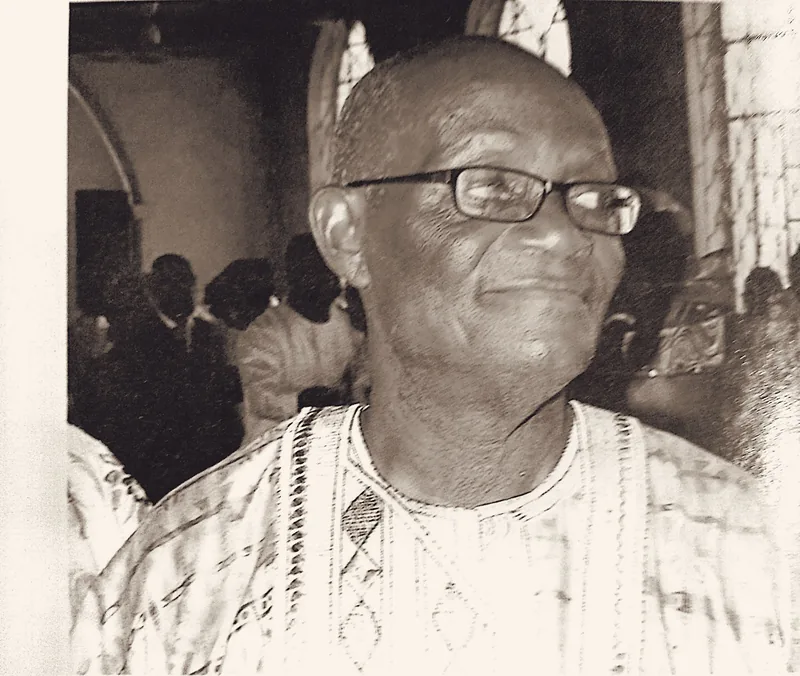
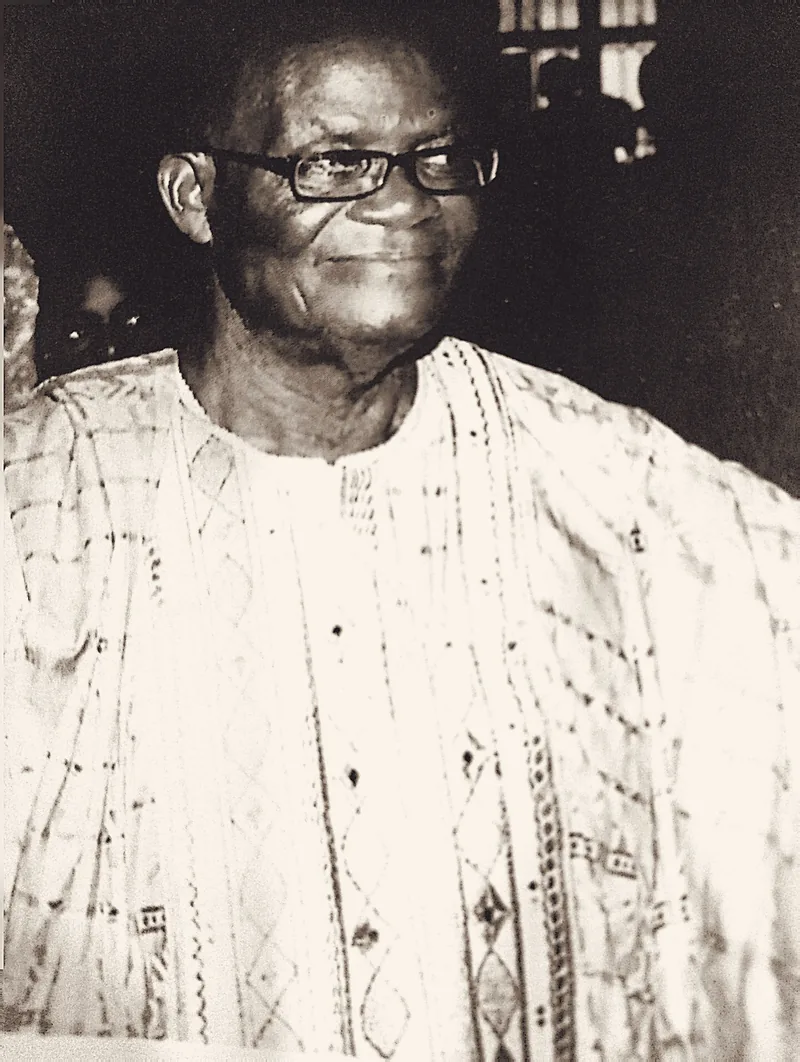
Photographs
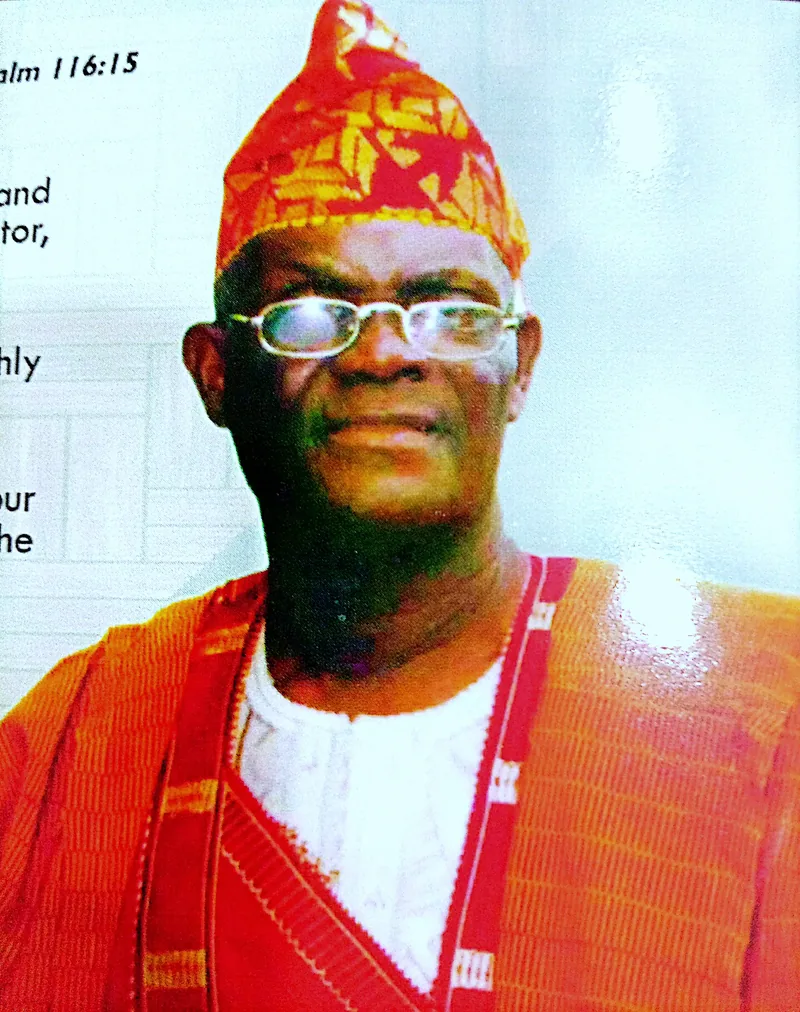
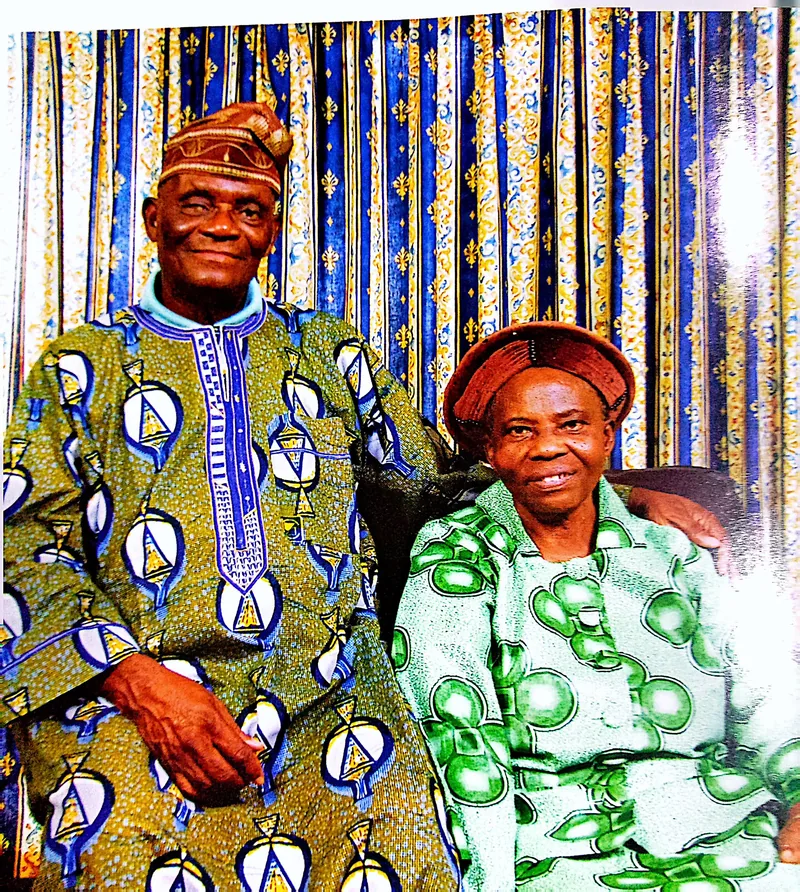
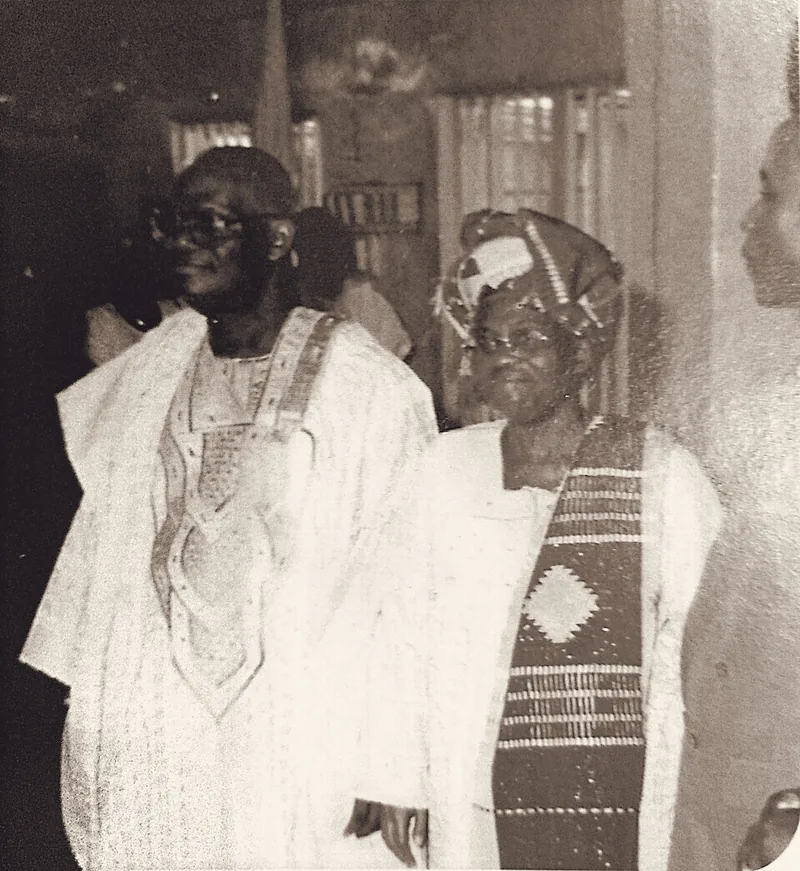
Restored from the family's own prints.
On film
His commendation and burial
Two recordings from March 2019, kept on YouTube by the church he served and by Channels Television.
The service held by the church he served for forty years.
The television report on the burial, March 2019.
Carrying it on